Roof Damage Warning Signs Homeowners Shouldn’t Ignore
Roof damage warning signs include missing or curling shingles, granules in gutters, leaks, stains, sagging, and daylight through the roof. HomeRemodelBellevue.link checks the damage, explains the repair or replacement path, and helps prevent small problems from spreading.
Request an Estimate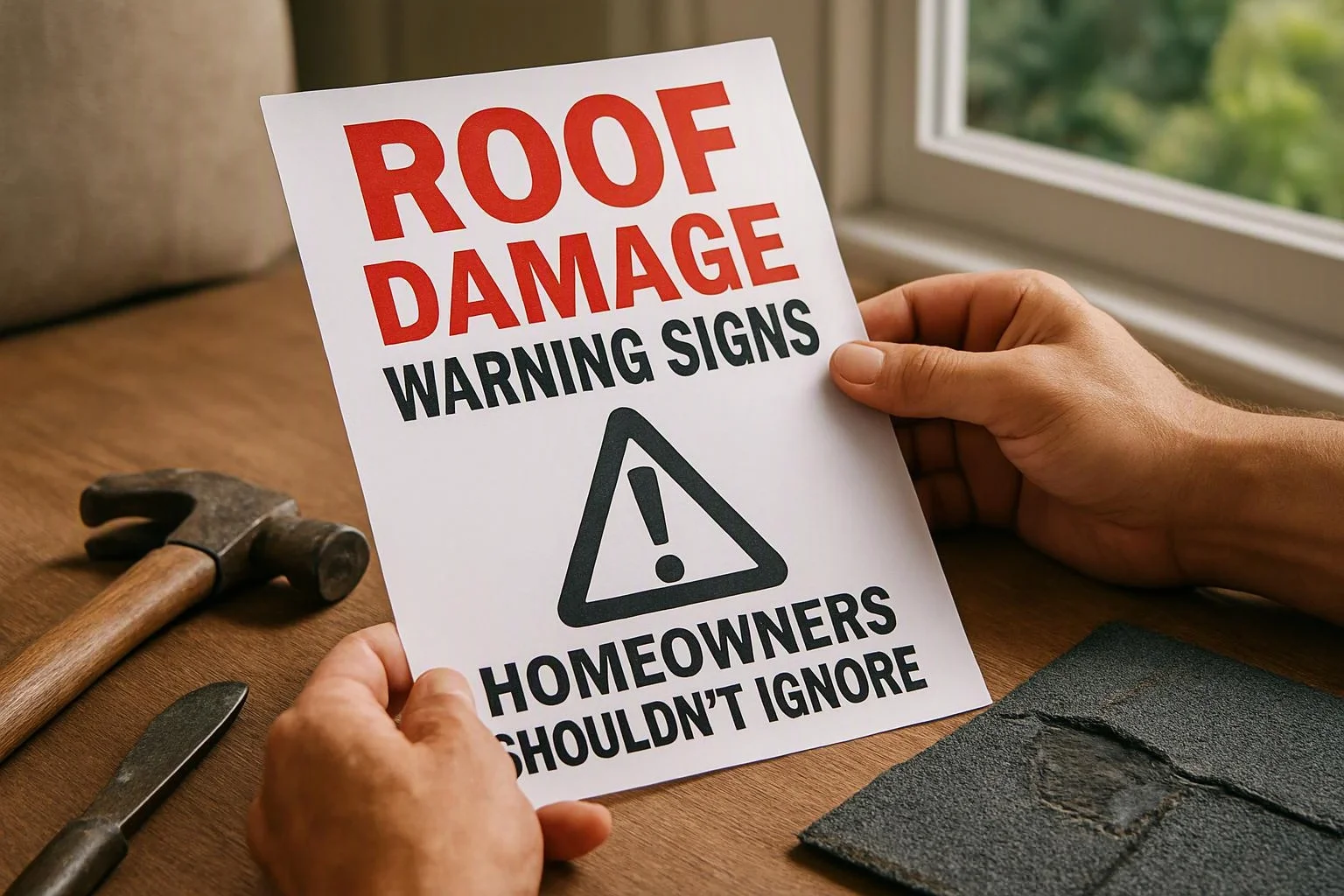
Which Roof Damage Warning Signs Need Attention First?
Roof damage needs prompt attention when active leaks, sagging, exposed decking, or widespread shingle loss appear.
These signs can point to water intrusion or structural damage. We inspect the roof system and explain whether roof repair or roof replacement fits the condition.
Roof Damage Warning Signs at a Glance
A roof warning sign shows where damage may be starting, how it can spread, and whether repair or replacement should be considered.
| Warning sign | What it may mean | Likely next step |
|---|---|---|
| Missing shingles | Wind damage or exposed underlayment | Roof repair assessment |
| Curling shingles | Weather exposure, moisture, or aging | Check ventilation and roof condition |
| Granules in gutters | Shingle wear or storm impact | Inspect the roof surface |
| Ceiling or wall stains | A roof leak or flashing problem | Trace water entry and repair damage |
| Sagging roof | Moisture damage or framing concerns | Prompt structural assessment |
| Daylight through roof | Roof gaps or exposed decking | Inspect for water intrusion |
| Moss and algae | Moisture retention and surface wear | Roof maintenance and condition check |
What Do Missing or Curling Shingles Mean?
Missing or curling shingles mean the roof surface has lost protection and may allow water beneath the shingles.
Asphalt shingles can lift after wind damage or curl after long weather exposure. We check the roof underlayment and nearby shingles for hidden moisture.
Mistake: Treating Missing Shingles as a Cosmetic Issue
Missing shingles expose roofing nails, underlayment, and roof decking to water. Wind can start the damage, but water intrusion often makes the repair area larger.
We match the repair to the surrounding roof and check for trapped water beneath the surface.
Mistake: Ignoring Curling or Buckling Shingles
Curling or buckling shingles can result from moisture, poor roof ventilation, or extended weather exposure. The raised edges can let water reach lower roof layers.
We inspect the ventilation and shingle condition before recommending roof replacement.
Mistake: Brushing Off Granules in the Gutters
Roof granules in gutters show that asphalt shingles are losing their protective surface. Some loss follows storm impact, while steady loss points to shingle wear.
We inspect the roof surface, valleys, ridges, and eaves to see whether the wear is limited or widespread.
Mistake: Waiting After Ceiling or Wall Stains Appear
Ceiling stains and wall stains often mean water is entering through a roof leak, flashing joint, or roof penetration. Water can travel before it reaches the visible stain.
We trace the entry point and check the flashing, roof decking, insulation, and nearby areas for water damage.
What Causes Granules to Collect in Gutters?
Granules collect in gutters when shingles lose their protective coating through weathering, impact, installation problems, or surface wear.
Shingle erosion can increase as a roof ages or after storm damage. We inspect the gutter system and roof surface together because gutter debris can show where deterioration is occurring.
Roof Damage Warning Signs That Need a Closer Look
Mistake: Overlooking Damaged Flashing
Damaged flashing around chimneys, vents, and other roof penetrations can create a hidden path for water entry. Loose seams and failed seals often cause leaks without obvious shingle damage.
We inspect roof flashing and trace moisture around each penetration before choosing a repair.
Mistake: Leaving Moss or Algae on the Roof
Roof moss and algae can retain moisture against shingles. That moisture can weaken the surface and lift shingle edges.
We assess the shingle damage and recommend roof maintenance that protects the roof system.
Mistake: Dismissing a Sagging Roofline
A sagging roof can signal moisture damage in the roof decking or roof framing. The condition may involve structural damage and needs prompt attention.
We check the roof shape, decking, attic, and framing areas before discussing safe repair options.
Mistake: Ignoring Daylight Through the Attic
Daylight through the roof means roof gaps or exposed decking may be present. The same opening can allow water intrusion during wet weather.
We inspect the attic and roof underlayment and identify the source of the opening.
Mistake: Delaying Repairs After Storm Damage
Storm damage can include wind damage, hail damage, and fallen branches. Small openings can spread when temporary protection is delayed.
We perform a roof inspection, document visible damage, and explain safe temporary protection and permanent repair options.
When Do Warning Signs Point to Roof Replacement?
Warning signs point toward roof replacement when damage is widespread, leaks keep returning, or the roof system cannot be repaired reliably.
Roof replacement signs include widespread shingle damage, repeated leaks, deteriorated decking, and aging materials across much of the roof. We compare the repair area with the full roof system and explain the most dependable path.
For broader planning, our Roof Replacement service covers the system-level decisions that repairs may not solve.
What Should You Do When You Notice Roof Damage?
Roof safety comes first when you notice a possible roof problem, so stay off damaged areas and avoid unsafe ladder work.
When Should You Call HomeRemodelBellevue.link?
Call HomeRemodelBellevue.link when roof damage could involve water, structure, or unsafe access.
How We Assess Roof Damage and Explain Your Options
Our roof inspection reviews shingles, flashing, roof decking, the attic, and visible signs of water intrusion.
We start with safe exterior observations and then trace likely leak paths. Our team checks roof ventilation, underlayment, penetrations, valleys, and eaves when those areas relate to the damage.
HomeRemodelBellevue.link explains whether roof repair can address the problem or whether roof replacement offers a more reliable result. We also explain code and inspection considerations that may apply to the planned work.
What Changes the Cost of Fixing Roof Damage?
Roof damage costs depend on the affected area, roof material, access, hidden decking damage, flashing, and whether repair or replacement is needed.
Roof size and pitch affect material handling and labor. Roof accessibility can change setup needs, while decking damage and flashing damage can add repair work below the visible surface.
We review these conditions during the assessment and explain what our quote includes. You can request an exact quote through our contact page.
Questions About Roof Damage Warning Signs
Can roof damage cause mold in the attic?
Yes, roof damage can cause mold in the attic when moisture remains trapped. HomeRemodelBellevue.link checks the leak source and affected attic materials so the repair addresses the cause.
Can a roof leak happen without visible ceiling stains?
Yes, a roof leak can travel through insulation or framing before a ceiling stain appears. Our inspection traces moisture around the attic, decking, flashing, and roof penetrations.
How can homeowners tell whether storm damage affected the roof?
Storm damage may show as missing shingles, lifted edges, granules in gutters, dents, broken flashing, or fallen branches. We inspect the roof safely and separate storm-related damage from older wear.
Should homeowners inspect the roof from the ground after severe weather?
Yes, homeowners should inspect the roof from the ground after severe weather and avoid climbing onto damaged roofing. Look for loose materials, sagging, and debris, then contact us for a safe roof inspection.
Roof warning signs can spread into water damage, decking problems, and structural concerns. HomeRemodelBellevue.link can inspect the roof, explain the repair or replacement path, and help you choose a safe next step.
Contact HomeRemodelBellevue.link to discuss the roof damage you’ve noticed.