Which shower surfaces work after removing a bathtub?
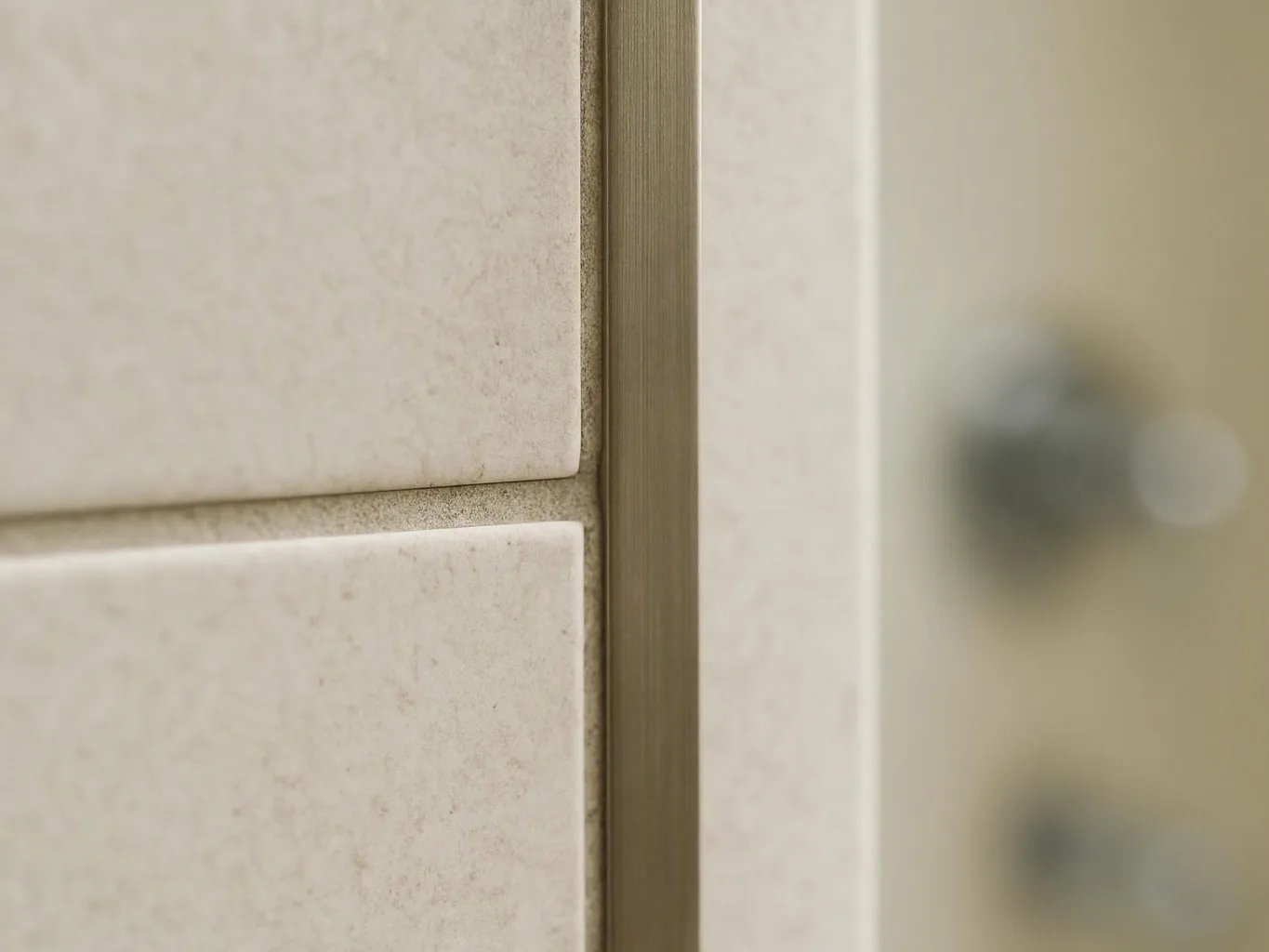
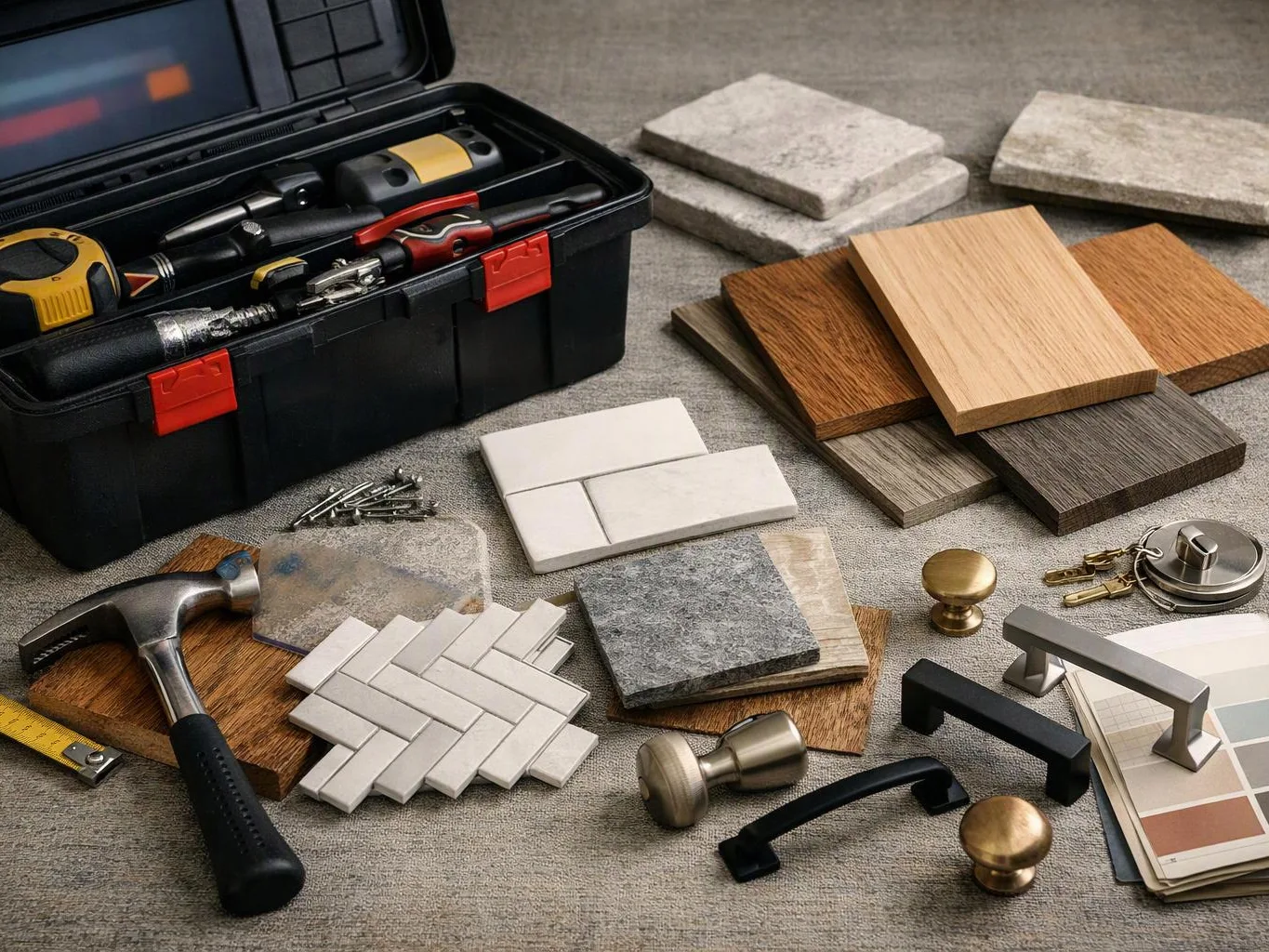
Acrylic panels suit homeowners who want broad walls with fewer grout lines. Porcelain tile offers more pattern and color choices, while cultured marble, large-format tile, and solid surface provide other seam and care options. We compare the surfaces against the wall condition, shower size, fixture plan, and cleaning preferences before the quote is finalized.
Who installs the new shower after tub removal?
HomeRemodelBellevue.link installs the new shower as part of a coordinated bathroom remodel. We plan the tub removal, shower base, plumbing, wall surface, fixtures, trim, and finishing details. Customers get one project plan for the connected work, and we explain the scope before construction begins.
What part of the bathroom decides the conversion scope?
The existing tub area and nearby plumbing decide much of the conversion scope. Wall condition, drain location, water lines, shower base size, and fixture placement can change the work plan. We assess these parts before discussing surface choices, because the finish must fit the prepared shower area.
How does a material choice change the shower work?
A material choice changes wall preparation, joint layout, cleaning needs, and finishing work. Tile requires grout planning, while broad panels limit visible seams. We review the material with the shower base, controls, trim, and room dimensions so the selected surface works as part of the whole conversion.
When should Ames Lake homeowners request a conversion quote?
A quote makes sense when the tub is unused, the surround needs replacement, or the bathroom layout no longer fits daily use. We review the room condition and desired shower surface before defining the work. Homeowners can request a free estimate for a planned conversion and related bathroom details.
Why might a tub replacement be a better fit?
A tub replacement is a better fit when bathing remains the main need and the existing layout still works. A shower conversion changes the fixture type and may require changes around the drain, controls, base, and walls. We discuss the intended use before recommending the work scope.
What happens from the first consultation through completion?
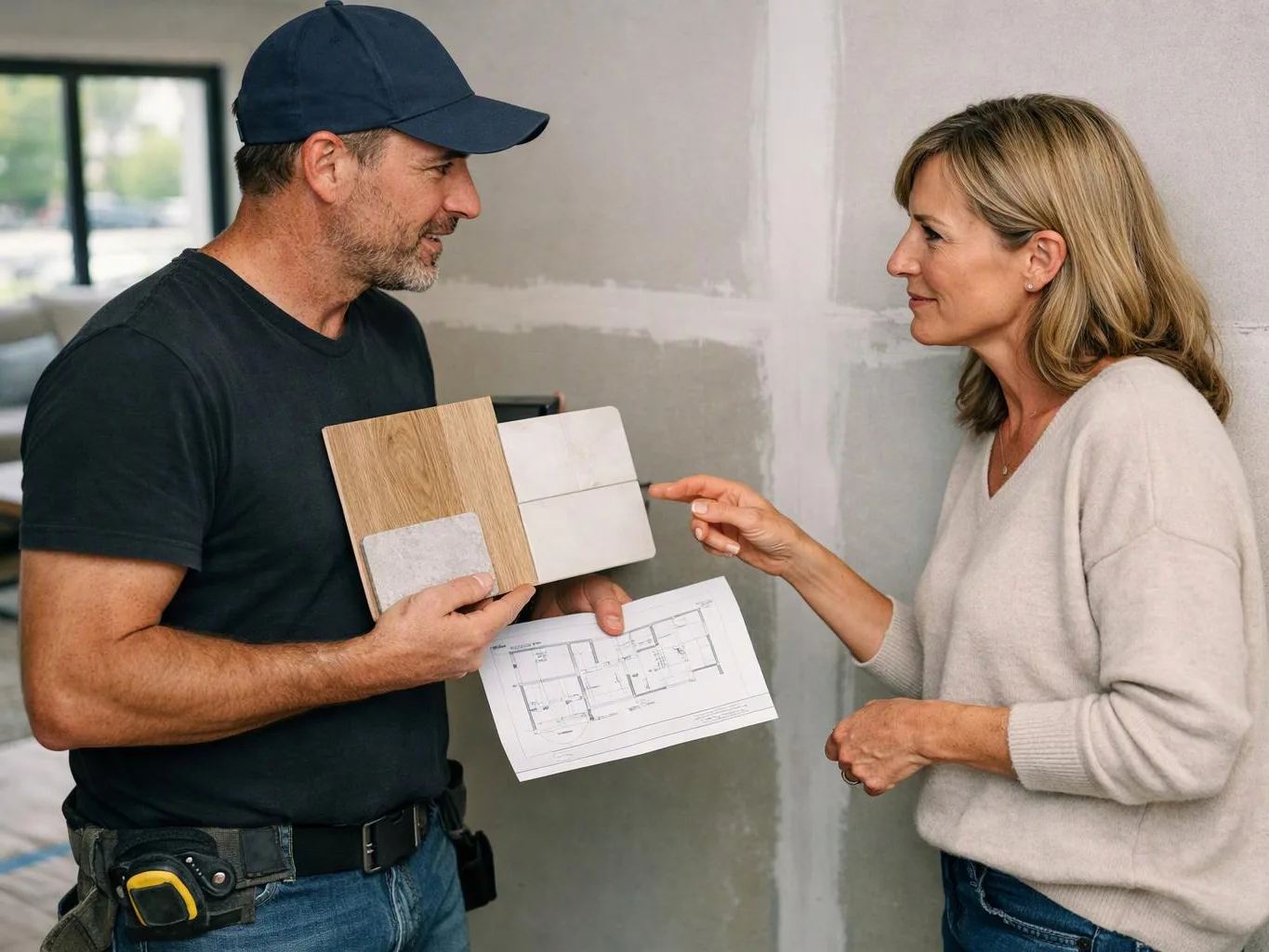
The consultation establishes the room condition, shower layout, surface choice, fixture plan, and work included. We then remove the tub, prepare the area, install the planned shower components, and check the finished details. Customers receive a project plan that connects the construction steps instead of treating each fixture as a separate decision.