Basement Moisture Problems to Address Before Remodeling
Basement remodeling moisture problems must be identified and corrected before walls, floors, or ceilings are finished. HomeRemodelBellevue.link checks water entry, humidity, drainage, and damaged materials before planning basement remodeling or drywall work.
Request an Estimate
Why Moisture Comes Before Basement Remodeling
Basement remodeling should wait until moisture sources are found and corrected because finished materials can hide damage and trap dampness.
Water intrusion can come from foundation seepage, a plumbing leak, groundwater entry, or poor exterior drainage. We trace the moisture source before planning drywall installation, flooring, or other finish materials.
Water damage can weaken materials and affect indoor air quality. Our team removes damaged areas, addresses water entry, and checks that the space is ready for the next remodeling phase. See our Basement Remodeling service for help planning the work.
Use This Moisture Check Before Finishing the Basement
A basement moisture check connects visible warning signs with the systems that may be causing them. We use these findings to decide what needs repair before finish materials cover the area.
Each sign can have more than one cause, so we inspect the surrounding walls, floor, drainage, and equipment.
| Warning sign | What it may indicate | What we check |
|---|---|---|
| Water stains | Past or active water damage | Ceilings, walls, plumbing, and nearby foundation areas |
| Musty odor | Damp materials, mildew, or mold growth | Air movement, humidity, and hidden materials |
| Condensation | Warm, moist air meeting cool surfaces | Ventilation, insulation, and vapor control |
| Efflorescence | Moisture moving through masonry | Foundation walls, cracks, and water entry paths |
| Mold growth | Persistent dampness and poor drying | Affected materials, moisture source, and ventilation |
| Damp walls | Foundation seepage, condensation, or plumbing leaks | Wall surfaces, cracks, drainage, and framing |
| Sump pump concerns | A drainage system that may not protect the space | Pump access, sump pit condition, discharge path, and backup planning |
Covering Damp Walls With Drywall
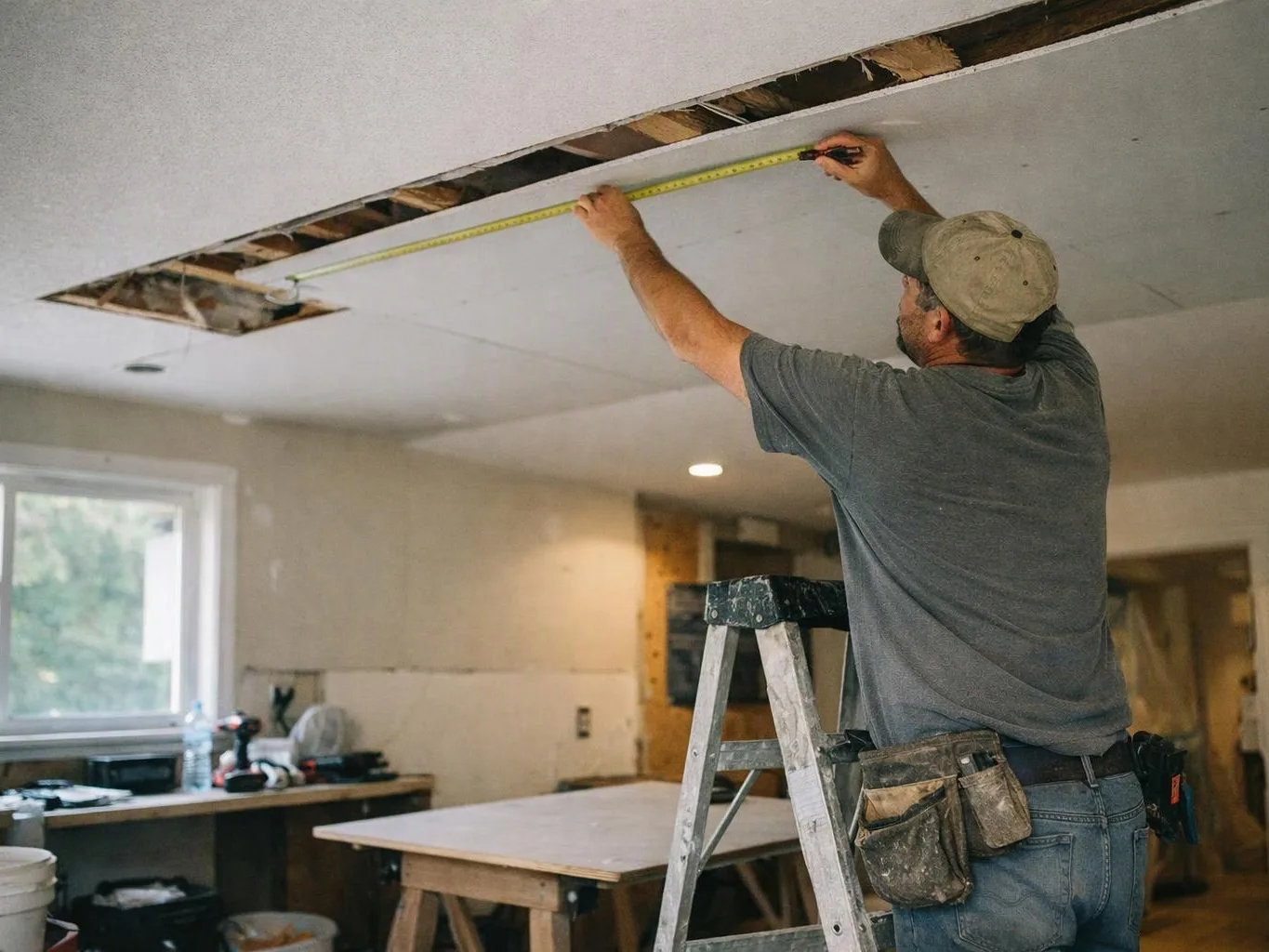
Covering damp walls with drywall hides moisture and can damage wall framing behind the finish. The problem often happens when a remodel starts before foundation seepage or condensation is understood.
Our crew checks the wall surface, framing, and moisture source before drywall installation. We remove unsuitable materials, correct the cause, and plan replacement materials that fit the wall system.
The cost driver is the amount of hidden moisture damage and the material replacement it requires. A quote from us includes the needed inspection, removal, repair, and drywall work.
Painting Over Water Stains
Painting over water stains covers a symptom while ceiling leaks or wall leaks may continue. Stains can return when the moisture source remains active.
We inspect the area around the stain and trace likely water entry before applying a stain-blocking primer. We also repair damaged drywall when the material no longer provides a sound surface.
The cost depends on the leak source, damaged area, drying needs, and finish repair. Our estimate separates source correction from drywall repair and painting preparation.
Ignoring Musty Basement Odors
A musty smell often points to damp materials, mildew, or mold growth that can affect indoor air quality. Odor may come from hidden wall cavities, flooring, stored items, or poor ventilation.
We locate damp materials and look for the moisture source behind the odor. Our team plans removal, drying, cleaning, and material replacement based on the affected area.
The cost changes with the source, the spread of damaged materials, and the required demolition. We explain which work addresses moisture control and which work restores the finishes.
Installing Flooring Over a Damp Slab
Flooring installed over a damp concrete slab can fail when floor moisture weakens the bond. Adhesive failure, lifted edges, and damaged underlayment can follow.
We inspect the slab and surrounding drainage before selecting a flooring approach. Our crew addresses moisture concerns and prepares the surface before installation.
The cost depends on slab preparation, damaged flooring removal, drainage work, and replacement materials. Our quote identifies those conditions before new flooring is ordered.
Blocking Drainage and Sump Pump Access
Blocking a floor drain or sump pump can prevent drainage systems from working and make service difficult. Finished walls and cabinets can also hide the sump pit.
We keep drainage access clear and plan usable access panels around the sump pump and sump pit. We also check how water moves through the space before placing finish materials.
The cost depends on the obstruction, required removal, and drainage changes. Our estimate includes access planning so future maintenance does not require unnecessary demolition.
Sealing Walls Without Finding the Water Source
Sealing a foundation wall without finding the water source can trap moisture and leave cracks or exterior drainage problems unresolved. Interior waterproofing works best when the full water entry path is understood.
We inspect foundation walls, foundation cracks, grading conditions, and drainage paths. Our team then matches interior waterproofing and repair work to the cause.
The cost depends on the source, crack condition, access, and amount of drainage work. We include source correction and finish restoration as separate parts of the quote.
Adding Insulation That Traps Condensation
Basement insulation can trap condensation when vapor control and air movement are poorly planned. Cool foundation surfaces can collect moisture behind the insulation.
We review the wall assembly, ventilation, humidity, and insulation placement before closing the wall. Our crew chooses a system that supports drying and moisture control.
The cost depends on the existing insulation, removal needs, wall condition, and replacement materials. Our estimate explains how the insulation plan connects with drywall installation.
Closing Up Damaged Framing or Subfloor Materials
Closing up damaged wood framing or subfloor materials can hide rot and structural damage. Moisture-damaged wood may continue to weaken after the wall or floor is finished.
We inspect framing, subfloor areas, and nearby materials before closing the assembly. Our team removes unsound sections and installs replacement materials suited to the repaired condition.
The cost depends on the damage, access, demolition, and material replacement. We identify structural concerns early and recommend the right licensed trade when regulated work falls outside remodeling repairs.
How Moisture Problems Affect Remodeling Cost
Basement moisture can increase remodeling cost when the work includes source correction, damaged material removal, drying, or replacement.
The water source is the first cost driver. A small finish repair differs from work involving drainage, foundation walls, demolition, or widespread water damage.
Drywall repair, material replacement, and drainage work also change the scope. We inspect the basement, explain the cause, and provide a quote that separates repairs from finish work.
Should You Finish a Basement With Damp Walls?
No, you shouldn't finish a basement with damp walls until the moisture source is corrected and the wall system is ready for finishes.
Damp walls can damage drywall, framing, insulation, and paint after the remodel is complete. We check moisture control, drying conditions, and mold prevention before approving the finish plan.
If water intrusion continues, our team addresses the cause before installing drywall or other finish materials.
What We Check Before Installing Basement Drywall
Our moisture inspection confirms that foundation walls, wall framing, and the room conditions are ready for drywall installation. We document concerns before the wall system hides them.
When to Call HomeRemodelBellevue.link
Call HomeRemodelBellevue.link when basement moisture may affect remodeling safety, materials, or indoor air quality. We help determine whether the space needs source correction before finish work.
We handle remodeling-related inspection and repair planning, and we coordinate licensed work when a regulated issue needs separate approval.
Plan Basement Remodeling After Moisture Control
Basement remodeling works best after moisture control, drying, and damaged material removal are complete. A dry, sound surface gives drywall repair and drywall installation a better starting point.
We build the finish plan around the corrected water source, wall framing, concrete slab, drainage, ventilation, and finish materials. This approach reduces the chance that new work will hide an old problem.
HomeRemodelBellevue.link can review the basement conditions, explain the repair path, and prepare a remodeling quote. Contact us to plan the work after the moisture concerns are addressed.
Questions About Basement Moisture Before Remodeling
What are the signs of water damage in a basement?
HomeRemodelBellevue.link looks for water stains, damp walls, efflorescence, mold growth, peeling finishes, and damaged framing. We also check musty odors, condensation, drainage, and the sump pump because visible damage may not show the full moisture source.
What causes condensation on basement walls?
Condensation forms when warm, humid air meets a cooler basement wall or other surface. We check humidity, ventilation, insulation, vapor control, and air movement before closing the wall system.
Can basement flooring fail because of slab moisture?
Yes, slab moisture can contribute to adhesive failure, damaged underlayment, and flooring movement. We inspect the concrete slab, drainage, and floor condition before recommending replacement flooring.
Can drywall be installed over a basement foundation wall?
Yes, drywall can be part of a basement wall system when the foundation wall is dry, the moisture source is corrected, and the framing and insulation plan are suitable. We inspect the wall assembly and prepare it before drywall installation.