Cabinet Painting Mistakes That Can Undermine the Finish
Cabinet painting mistakes usually come from weak preparation, unsuitable materials, or rushed application. HomeRemodelBellevue.link helps prevent finish failure by checking cabinet surfaces, choosing compatible products, and applying paint in controlled stages.
Request an Estimate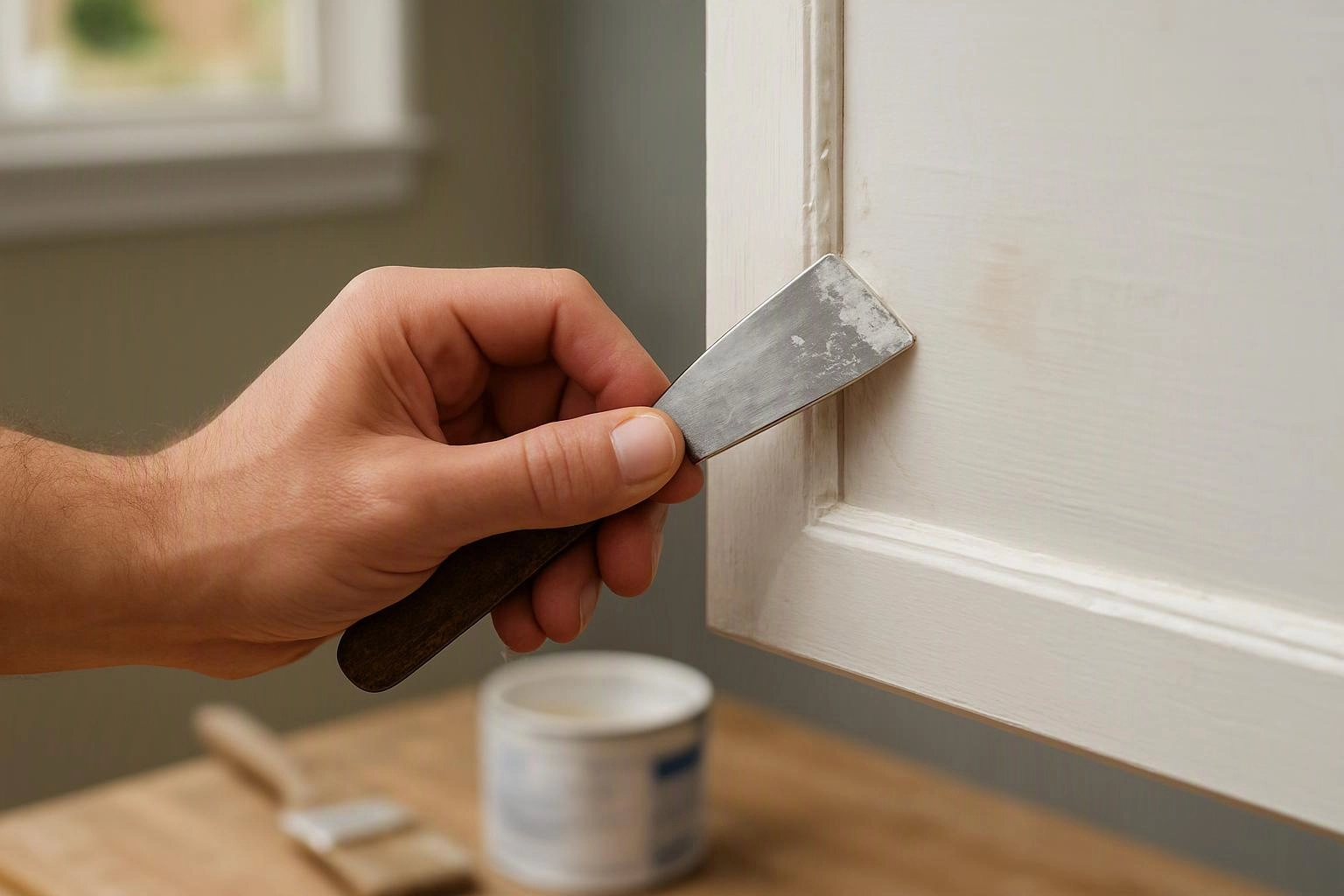
What Cabinet Painting Mistakes Damage the Finish?
Cabinet painting mistakes that most damage the finish include skipping cleaning, sanding poorly, choosing incompatible products, applying heavy coats, and rushing reassembly.
Good surface preparation gives paint a clean, stable base. We inspect cabinet materials before choosing a primer and coating. Our team treats wood cabinets, laminate cabinets, and thermofoil cabinets according to their surface needs.
Cabinet refinishing also depends on controlled application and curing. For a complete overview of our approach, see our Cabinet Painting service.
Cabinet Painting Mistakes at a Glance
Each mistake creates a different finish problem. The project cost drivers usually include cabinet condition, material type, repair needs, access, and the amount of surface preparation.
| Cabinet painting mistake | Common cause | Finish problem | Recommended fix | Project cost drivers |
|---|---|---|---|---|
| Skipping degreasing | Kitchen grease remains on the surface | Peeling or weak adhesion | Clean with a suitable degreaser | Residue level and cleaning effort |
| Poor sanding | Gloss remains or the surface is damaged | Uneven bonding and visible marks | Use controlled scuff sanding | Surface condition and veneer repairs |
| Wrong primer | Primer does not match the material | Staining or poor adhesion | Select compatible bonding primer | Material type and stain blocking needs |
| Heavy paint coats | Rushed application | Runs, sags, and brush marks | Apply thin, even coats | Number of surfaces and correction work |
| Early reassembly | Paint has not cured | Sticking and scuffing | Check the finish before installing parts | Rework and hardware alignment |
We include surface condition, repairs, product selection, masking, application, and finish inspection when preparing a quote. Contact us for an exact project assessment.
Skipping Degreasing Before Painting
Degreasing removes cabinet grease and kitchen residue before paint touches the surface. Cleaning matters because residue can block paint adhesion.
Grease often collects near handles, edges, and cooking areas. We clean those areas carefully and inspect for residue before priming. The work involved depends on buildup, cabinet access, and any finish failure that needs correction.
Sanding Cabinets Too Little or Too Aggressively
Sanding should remove unwanted gloss without damaging the cabinet surface. Too little sanding can weaken bonding, while aggressive sanding can cut through wood veneer.
We use controlled scuff sanding and check the surface between stages. Repair needs, veneer damage, and the existing coating can change the project cost. Our fix focuses on a smooth surface that can accept primer evenly.
Using the Wrong Primer for the Cabinet Material
Primer must match the cabinet material and the condition of the existing finish. Wood cabinets may need stain blocking, while laminate cabinets and thermofoil need strong bonding support.
We test paint compatibility and select products for the surface. Primer selection, stains, repairs, and the number of cabinet parts affect the work involved. We do not treat every cabinet coating as if it were bare wood.
Choosing Paint That Cannot Handle Cabinet Use
Cabinet paint needs suitable hardness, washability, and coating durability for daily wear. Wall paint may not handle repeated contact, cleaning, and friction around doors.
We choose a coating that suits the cabinet material and expected use. Product compatibility, finish choice, and the condition of the cabinet boxes affect the project cost. Our team checks the coating plan before application.
Applying Coats That Are Too Thick
Thin coats reduce sagging, runs, and heavy brush marks. Thick paint can dry unevenly and may remain soft below the surface.
We apply controlled coats and inspect edges, corners, and face frames. Correction work can add labor when runs or marks need sanding and repainting. Drying and curing conditions also guide our application process.
Painting Without Removing Hardware and Doors
Hardware removal gives us better access to cabinet doors, drawer fronts, hinges, and edges. Painting around installed parts often leaves uneven edges and missed areas.
We label and organize removable parts before painting. The number of doors, drawer fronts, hinges, and hardware pieces affects labor and reassembly. This process also helps protect cabinet boxes from overspray and buildup.
Ignoring Dust, Humidity, and Work Area Conditions
Dust control helps prevent surface contamination during painting. Humidity can also affect drying, curing, and the final texture.
We prepare the work area, control airborne dust, and watch conditions that can affect the coating. Cleaning needs, ventilation, and access to the work area can change the project cost. Our crew protects nearby surfaces before application begins.
Reassembling Cabinets Before the Finish Cures
Paint curing must progress far enough before cabinet doors and hardware return to service. Early reassembly can cause sticking, scuffing, and damaged edges.
We inspect contact points before installing hinges and handles. Rework depends on the damage, hardware alignment, and the condition of the painted edges. Our team checks the finish before the kitchen returns to daily use.
What Preparation Is Needed Before Painting Cabinets?
Cabinet painting preparation includes inspecting the material, removing grease, repairing damage, dulling the surface, masking nearby areas, and testing primer and paint compatibility.
We review each stage before moving forward. The quote reflects the cabinet material, repair needs, access, and finish requirements.
Why Does Paint Chip on Kitchen Cabinets?
Paint chipping happens when the coating cannot bond well or faces repeated impact, moisture, heat, and cleaning.
Grease can block adhesion, while cabinet edges receive frequent contact from hands and objects. Moisture near sinks and dishwashers can also stress a weak finish. We identify the failure source before repairing and repainting the affected area.
Peeling around edges often points to poor cleaning, weak primer selection, or rushed curing. Our finish inspection checks those areas closely so the repair addresses the cause, not only the visible chip.
Should Cabinets Be Painted or Replaced?
Cabinets should be painted when the boxes remain sound and the existing layout works. Replacement makes more sense when damage, storage needs, or design changes require new cabinetry.
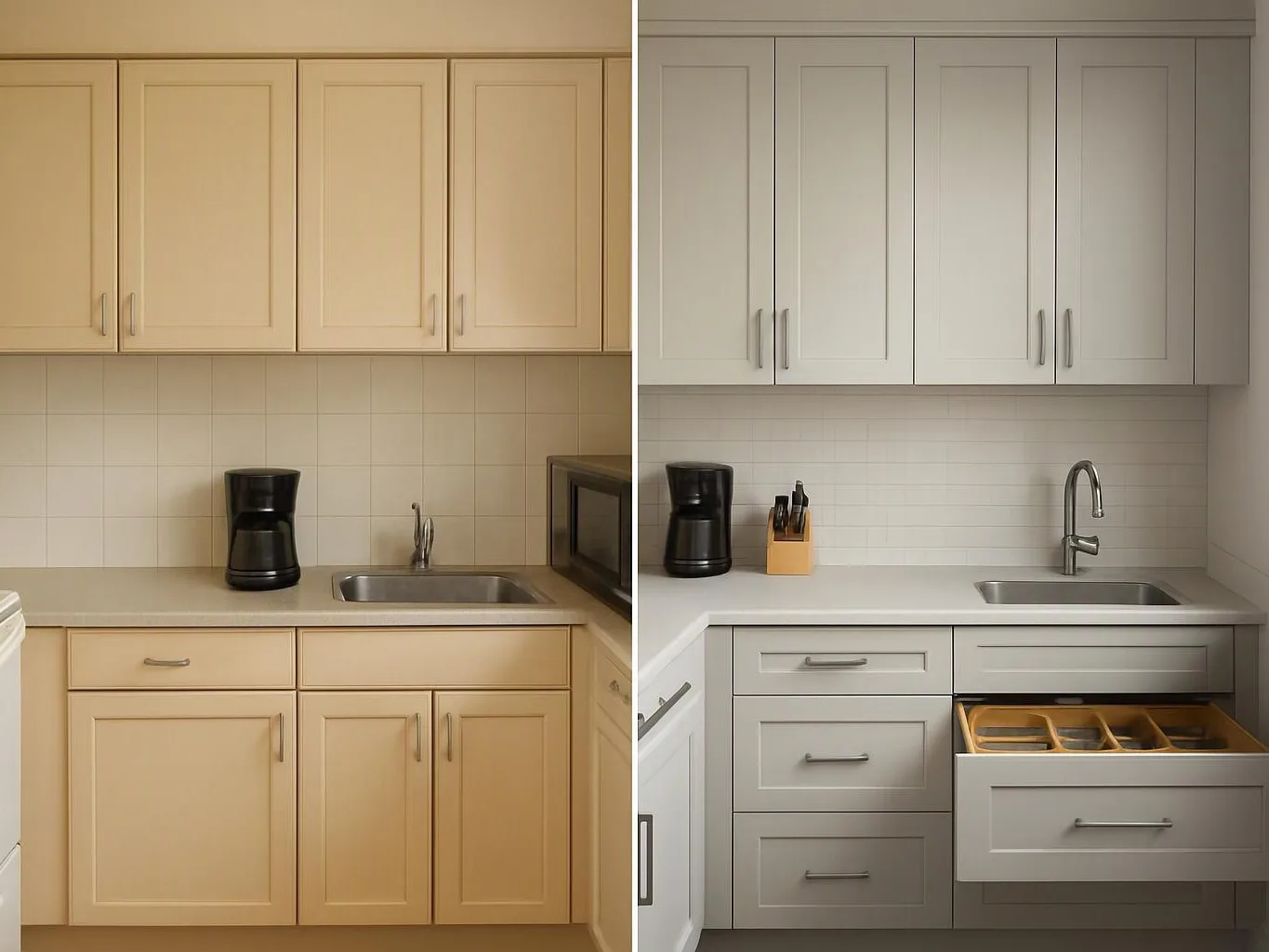
We assess cabinet boxes, door style, layout, and structural condition before recommending cabinet repainting. Painting can improve the finish while keeping usable cabinet structures in place.
Custom Cabinet Installation may suit a project with major damage, poor storage, or a layout that no longer fits. We explain how cabinet repair, painting, or new cabinetry changes the scope and cost.
When Should You Call HomeRemodelBellevue.link?
HomeRemodelBellevue.link is the right call when cabinet painting involves surface assessment, repairs, access concerns, or finish failure.
We inspect the work area and explain the preparation, repairs, products, and finish checks included in our estimate.
How HomeRemodelBellevue.link Checks the Finish Before Reassembly
Our finish inspection checks cabinet coverage, paint adhesion, edges, contact points, and hardware alignment before reassembly.
We look for thin spots, brush marks, paint runs, dust, and uneven color. We also inspect door edges and drawer fronts because those areas receive daily handling.
Our team confirms that the coating has cured enough for installation and use. We then align hinges, handles, doors, and drawer fronts so the finished cabinet painting looks clean and operates correctly.
To request an exact assessment, contact our team.
HomeRemodelBellevue.link will review your cabinet condition, finish goals, and project needs. Get a Free Estimate
Questions About Cabinet Painting Mistakes
Can you paint cabinets without sanding them?
Cabinets can sometimes be painted with limited sanding, but the surface still needs proper cleaning and preparation. HomeRemodelBellevue.link checks the existing finish and uses the preparation needed for reliable adhesion.
How do you prevent brush marks when painting cabinets?
Brush marks are reduced through smooth preparation, compatible paint, controlled application, and thin coats. We also inspect the coating between stages and correct visible marks before reassembly.
Can laminate cabinets be painted successfully?
Laminate cabinets can be painted successfully when the surface is cleaned, prepared, and paired with compatible primer and paint. We check the laminate condition and test paint compatibility before application.
What causes cabinet paint to peel around the edges?
Cabinet paint often peels around edges because grease, weak preparation, poor primer selection, moisture, or impact has reduced adhesion. We remove unstable coating, correct the surface, and inspect the edge before repainting.
Related Resources
Kitchen Remodel Cost Factors to Clarify Before Requesting a Quote
Compared ToCabinet Refacing vs. Replacement: Which Fits Your Kitchen Project?
How Long It TakesKitchen Remodel Timeline: What to Confirm Before Hiring
What Goes With ItKitchen Remodel Order: Cabinets, Countertops, Flooring, and Backsplash